
How to Protect Your Garage Door From Summer Heat Damage: Essential Insulation, Materials, and Maintenance Tips
As summer heat rises, protecting your garage door from extreme temperatures becomes a key concern for homeowners. Heat can cause significant damage to garage doors if not appropriately managed, leading to deterioration and costly repairs. This article will guide you through various effective insulation techniques, materials, and maintenance tips to shield your garage door from summer heat damage. Understanding these approaches not only helps in extending the life of your garage door but also enhances your home’s energy efficiency. This piece will cover insulation techniques, suitable materials, effective maintenance tips, and the beneficial role of protective coatings.
Insulation Techniques
To effectively insulate your garage door and prevent summer heat damage, consider several insulation methods. One popular technique is choosing insulated garage doors with high R-values, which measure thermal resistance. A higher R-value indicates better insulation performance, helping keep your garage cooler on hot days. Additionally, sealing gaps with weather stripping is crucial; this prevents warm air from infiltrating and maintains a stable temperature inside the garage. Regularly upgrading weatherstripping ensures that you retain the best insulation quality over time.
Following these insulation strategies can significantly reduce heat buildup, but if you find yourself needing professional assistance, companies like Precision Door Service specialize in garage door services that enhance your insulation options.
Suitable Materials
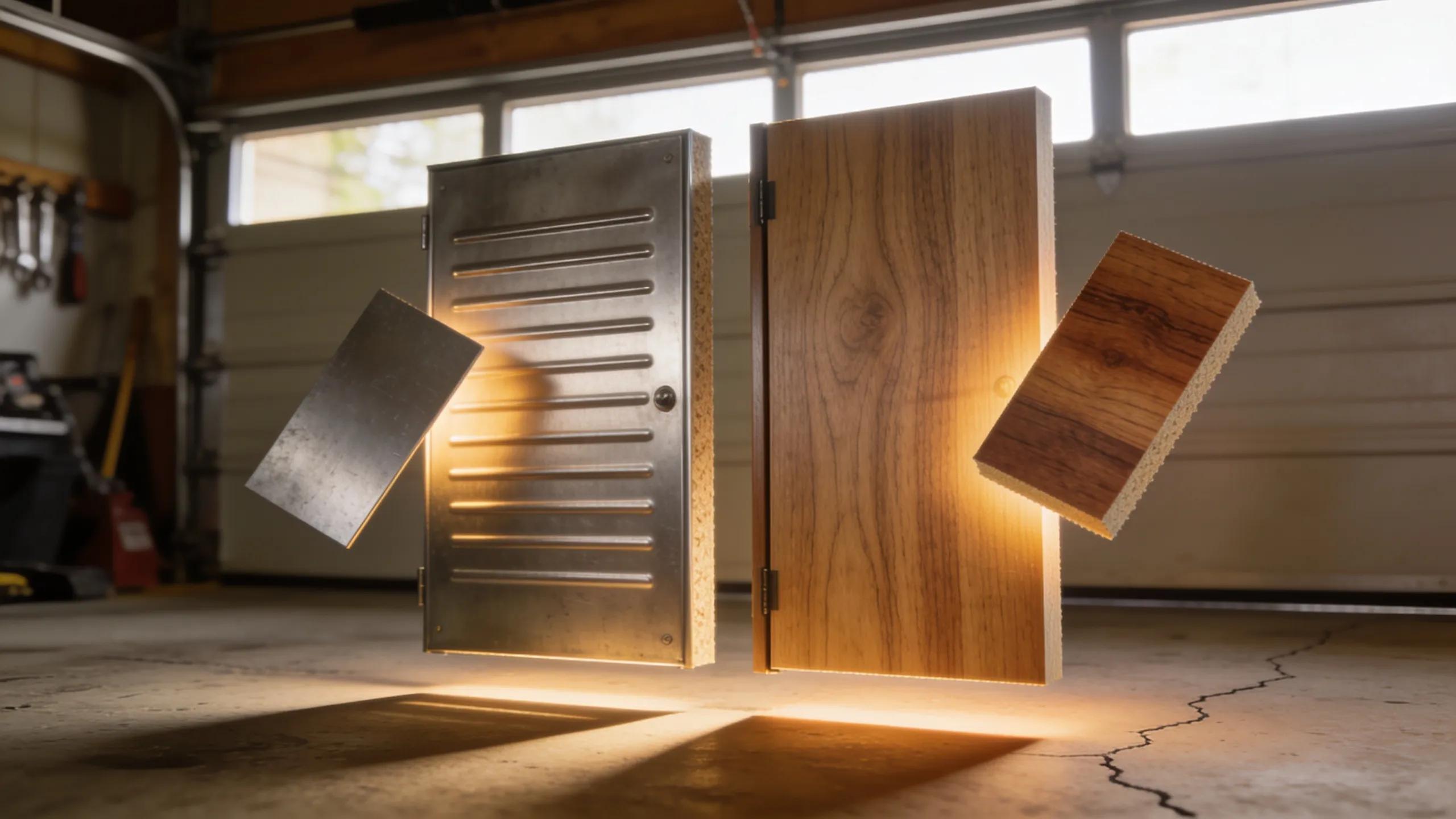
Selecting the right materials for your garage door can drastically affect its resistance to heat. Certain materials contribute better to insulation compared to others. Below is a table that compares various insulation materials based on their effectiveness:
Opting for materials such as polyurethane foam insulation can provide exceptional thermal resistance, effectively blocking heat transfer. Reflective coatings also serve well in redirecting sunlight, thus limiting heat absorption. These choices not only contribute to a durable garage door but also enhance the overall thermal regulation of your home.
Effective Maintenance Tips
Proper maintenance is essential for keeping your garage door in optimal condition during the hot summer months. Here are some key maintenance tips:
- Regular Inspection: Frequently check moving parts like hinges, springs, and tracks to ensure they are functioning smoothly.
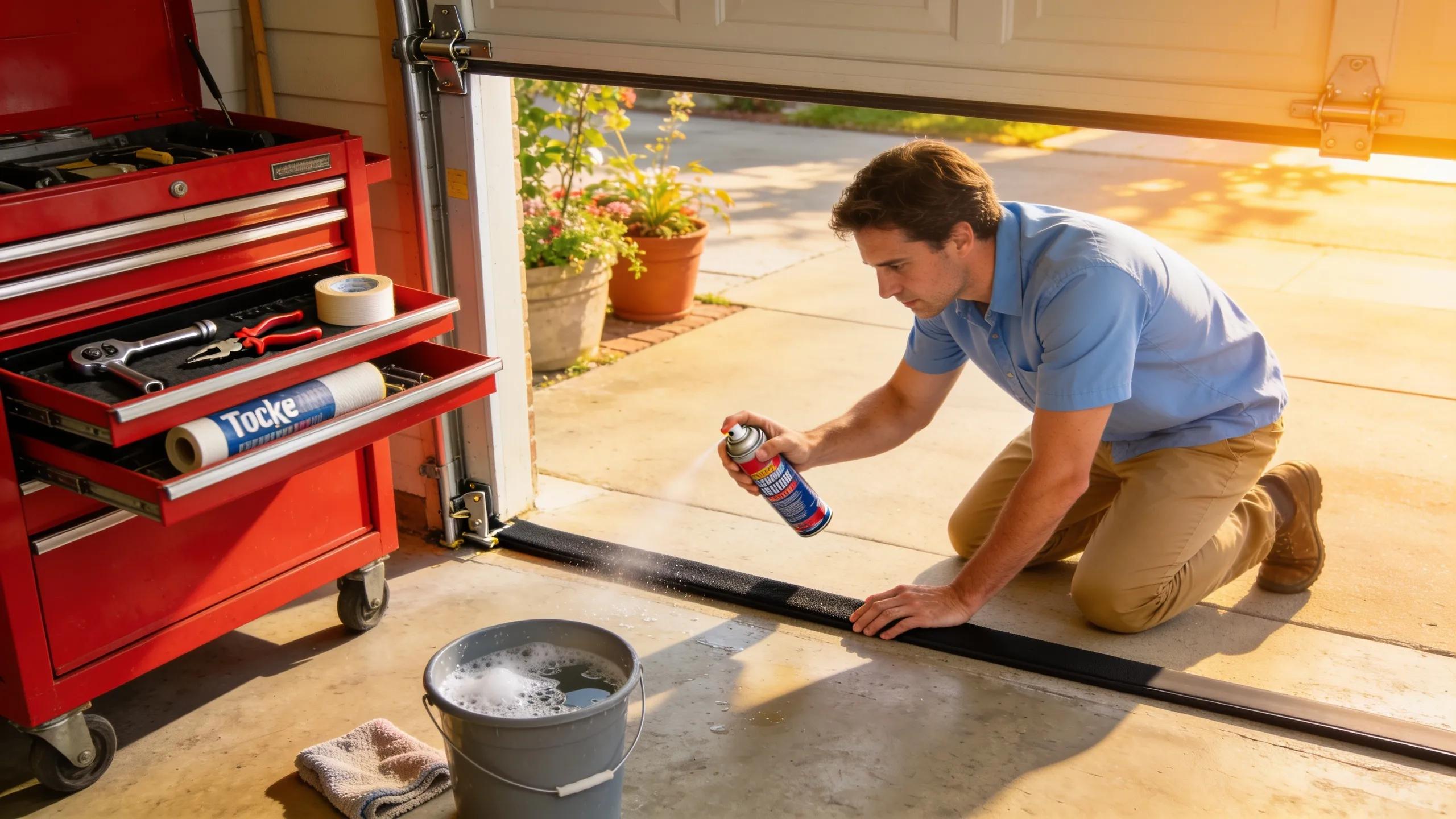
- Lubrication: Lubricate all moving parts, including rollers and tracks, every few months to prevent excessive friction and wear.
- Cleaning: Utilize mild detergent to keep your garage door clean, preventing damage from dirt and grime buildup that could affect materials.
Implementing these maintenance practices helps identify and resolve potential issues before they escalate, preserving the integrity of your garage door throughout the summer.
How Does Polyurethane Foam Insulation Prevent Heat Damage?
Polyurethane foam insulation is highly effective at preventing heat damage due to its unique structural properties. It acts as a thermal barrier, minimizing heat flow through the garage door. This insulation type expands upon application, sealing gaps and preventing air leaks that can cause temperature fluctuations. Moreover, it significantly reduces energy consumption, lowering your home’s cooling costs.
What Are the Benefits of Reflective and UV-Resistant Coatings?
Reflective and UV-resistant coatings serve an essential role in protecting garage doors from heat damage. These coatings reflect solar radiation, significantly reducing the heat absorbed by the garage door. In turn, this limits the temperature inside the garage, providing a more stable environment for stored items. Additionally, UV-resistant coatings help prevent material degradation caused by prolonged exposure to sunlight.
Which Heat-Resistant Garage Door Materials Help Combat Summer Heat?
When selecting heat-resistant garage door materials, consider the following options:
- Steel: Known for its durability and strength, steel doors can withstand extreme temperatures while providing insulation.
- Aluminum: Lightweight and rust-resistant, aluminum doors often have insulating properties that help prevent heat buildup.
- Composite Materials: These often combine several substances, yielding an effective balance of properties such as energy efficiency, appearance, and insulation.
By prioritizing such materials, homeowners can install garage doors that withstand the summer heat. For comprehensive installation and repair services, consider options like garage door repairs to ensure your chosen materials are expertly fitted.
How Do Steel and Aluminum Doors Compare for Heat Durability?
Steel and aluminum garage doors each have unique properties that affect their heat durability. Steel doors offer excellent insulation, making them highly effective at blocking heat. In contrast, aluminum doors, while lighter and less prone to rust, may require additional insulation to match the thermal performance of steel doors. Both materials can be designed with energy-efficient insulative properties, but steel tends to offer superior heat resistance overall.
Are Composite or Wood Garage Doors Effective Against Heat Damage?
Composite and wood garage doors offer alternatives for those seeking aesthetic appeal alongside functionality. Composite materials often incorporate thermal insulation, providing solid heat resistance. On the other hand, traditional wood doors, while visually appealing, may not offer the same level of heat insulation unless they are specifically designed with insulation features. They also require additional maintenance to prevent warping and heat damage.
What Garage Door Maintenance Tips Should You Follow During Summer?
To ensure your garage door withstands the summer heat, adhere to these maintenance tips:
- Inspect Weather Seals: Regularly check and replace any damaged weather seals to maintain proper insulation.
- Monitor Track Alignment: Ensure tracks are aligned to prevent strain on the door mechanism and potential heat-induced warping.
- Schedule Professional Inspections: Consider seasonal checks with professional services to address any potential heat-related issues preemptively.
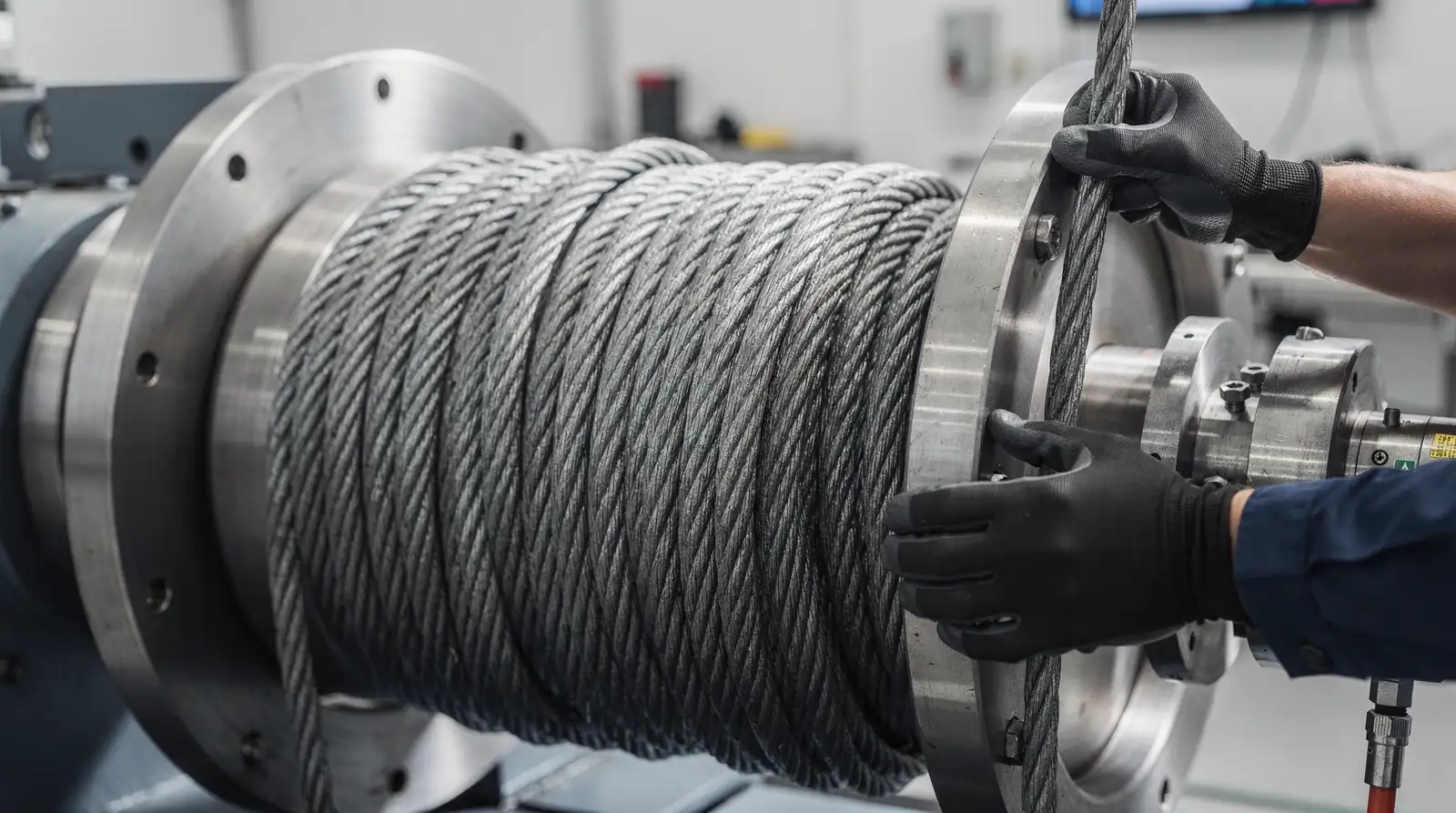
Ensuring these maintenance practices are followed not only provides protection from heat damage but also prolongs the lifespan of your garage door. For dedicated service on components, consider parts and accessories like rollers and cables.
How Often Should You Inspect Garage Door Weather Seals and Components?
Inspecting garage door weather seals and components should ideally occur every season, with a focus on the summer months. This frequency allows homeowners to catch and address heat-related wear before it worsens. Look for signs of deterioration or compression in weather seals and make replacements as necessary. A well-maintained garage door can sustain lower temperatures internally and protect valuable items.
What Summer Lubrication and Repair Practices Protect Your Garage Door?
During the summer, proper lubrication of garage door parts is paramount to reduce friction caused by high temperatures. Use a high-quality silicone-based lubricant to treat hinges, rollers, and tracks, ensuring smooth operation. Additionally, stay vigilant for any signs of wear in the door components due to heat and respond promptly with repairs to prolong the life of the door.
How Can You Identify and Repair Garage Door Heat Damage Effectively?
Look out for common signs of heat damage on your garage door, which can manifest as warping, fading, or peeling of the surface finish. If identified, replacement of affected panels or refinishing may be necessary to address the damage. For those uncertain about their ability to manage repairs, it is prudent to seek professional assistance to restore the garage door’s integrity.
What Are Common Signs of Heat Damage on Garage Doors?
The most frequently observed signs of heat damage include:
- Warping: Distortions in the door shape from excessive heat.
- Fading Paint: Discoloration or peeling of the paint due to prolonged sun exposure.
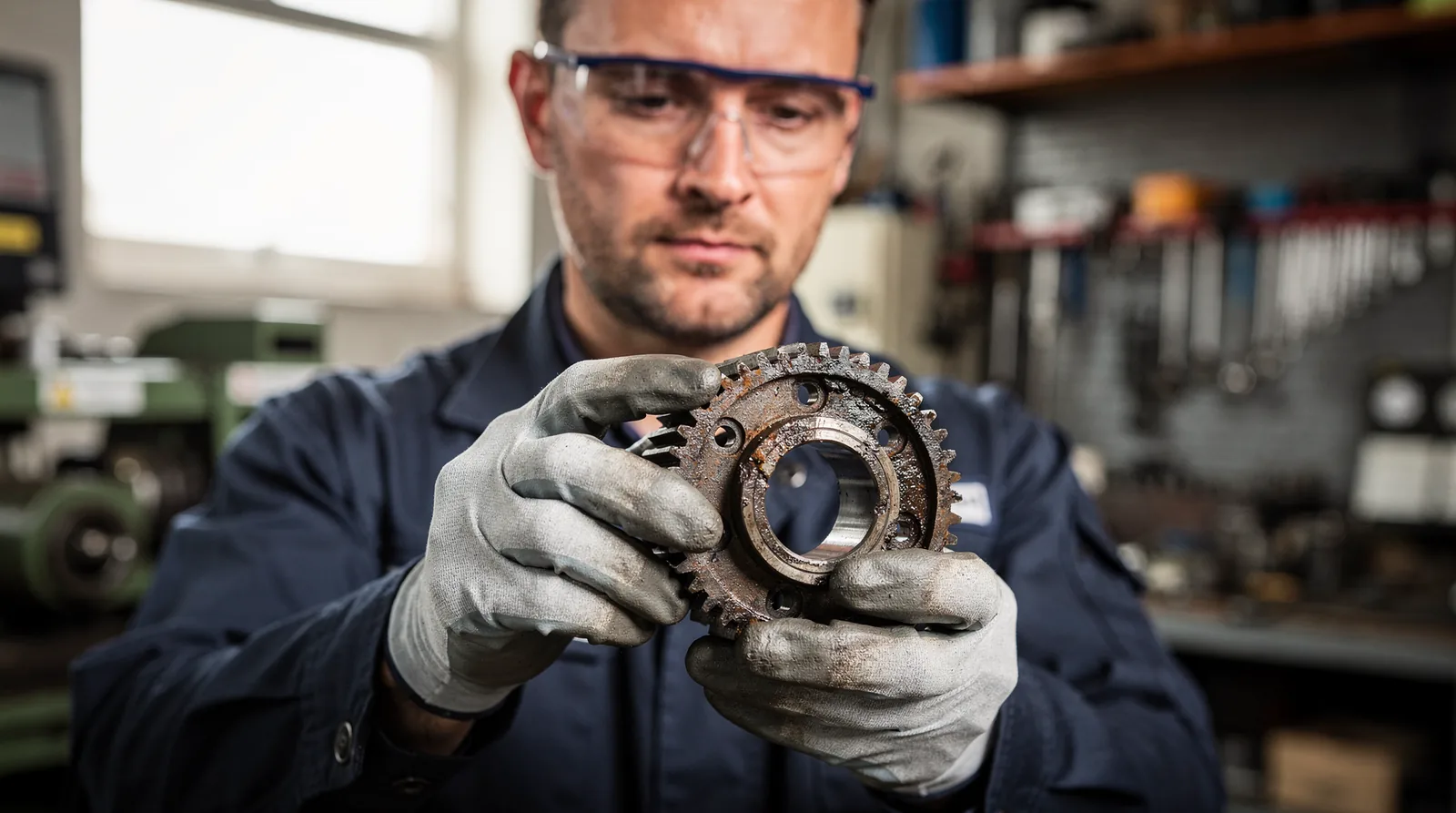
- Brittleness: Cracks forming in the material, often noted in wooden doors without proper maintenance.
Recognizing these issues early allows for timely repairs and maintenance to mitigate further damage. For issues related to components like rollers and cables, timely intervention is key.
When Should You Seek Professional Garage Door Heat Damage Repair Services?
If the signs of heat damage become apparent, it’s advisable to consult with professionals promptly. Waiting can exacerbate issues, leading to increased repair costs. Professional services, like those offered by Precision Door Service, specialize in garage door repair and maintenance, providing solutions tailored to handle heat-related concerns effectively.