
Garage doors in hot climates face constant exposure to extreme temperatures throughout the year. High heat places continuous stress on materials, insulation, and internal components. Over time, this exposure can reduce garage door energy efficiency and increase cooling costs inside the home. Choosing the right garage door becomes essential to maintain comfort and reduce energy loss in these conditions.
Heat does not only affect the surface of the garage door. It also impacts internal insulation, seals, and structural materials. When temperatures rise, poorly insulated doors allow heat to transfer quickly into the garage. This added heat can spread into living spaces and force cooling systems to work harder. Over time, this reduces efficiency and increases monthly energy expenses.
Understanding how to select the best garage doors for energy efficiency in hot climates helps improve garage door energy efficiency and prevent long-term performance issues. This guide explains how heat affects garage doors, which features improve efficiency, and what steps homeowners can take to reduce heat transfer and improve overall performance.
How High Temperatures Affect Garage Door Efficiency
Garage doors act as a barrier between outdoor heat and indoor spaces. In hot climates, this barrier is constantly tested by high temperatures and direct sunlight. Without proper insulation, heat moves quickly through the door and into the garage, reducing the garage door’s energy efficiency. This affects indoor comfort and increases the load on air conditioning systems.
Materials used in garage doors respond differently to heat. Metal doors can absorb and transfer heat rapidly, especially when exposed to direct sunlight. Without insulation, this heat builds up inside the garage and spreads to nearby rooms. Over time, this can reduce the effectiveness of your home’s cooling system.
Seals and insulation can also degrade under extreme heat. When this happens, small gaps allow hot air to enter continuously. Many homeowners notice reduced performance and schedule garage door repairs when their system struggles to maintain efficiency. Addressing these issues early helps prevent further energy loss.
Common Causes of Poor Energy Efficiency in Garage Doors
Hot climates can reduce garage door efficiency in several ways. Understanding these causes helps homeowners choose better solutions and avoid long-term issues. Proper design and maintenance can significantly improve performance.
Worn Seals and Air Gaps
Weather seals play an important role in blocking heat. When seals wear out, gaps form around the edges of the door. These gaps allow hot air to enter continuously, reducing garage door energy efficiency. Regular garage door maintenance helps identify worn seals and prevent air leakage. Replacing damaged seals improves insulation and enhances overall efficiency.
Poor Material Performance in Heat
Some materials perform poorly in extreme temperatures. Thin metal doors without insulation absorb heat quickly, reducing garage door energy efficiency. This increases indoor temperatures and reduces comfort. Upgrading to better materials can improve performance. Many homeowners explore durable options through parts and accessories designed to handle extreme conditions. Choosing the right material ensures long-term efficiency.
Inefficient Operation and Component Wear
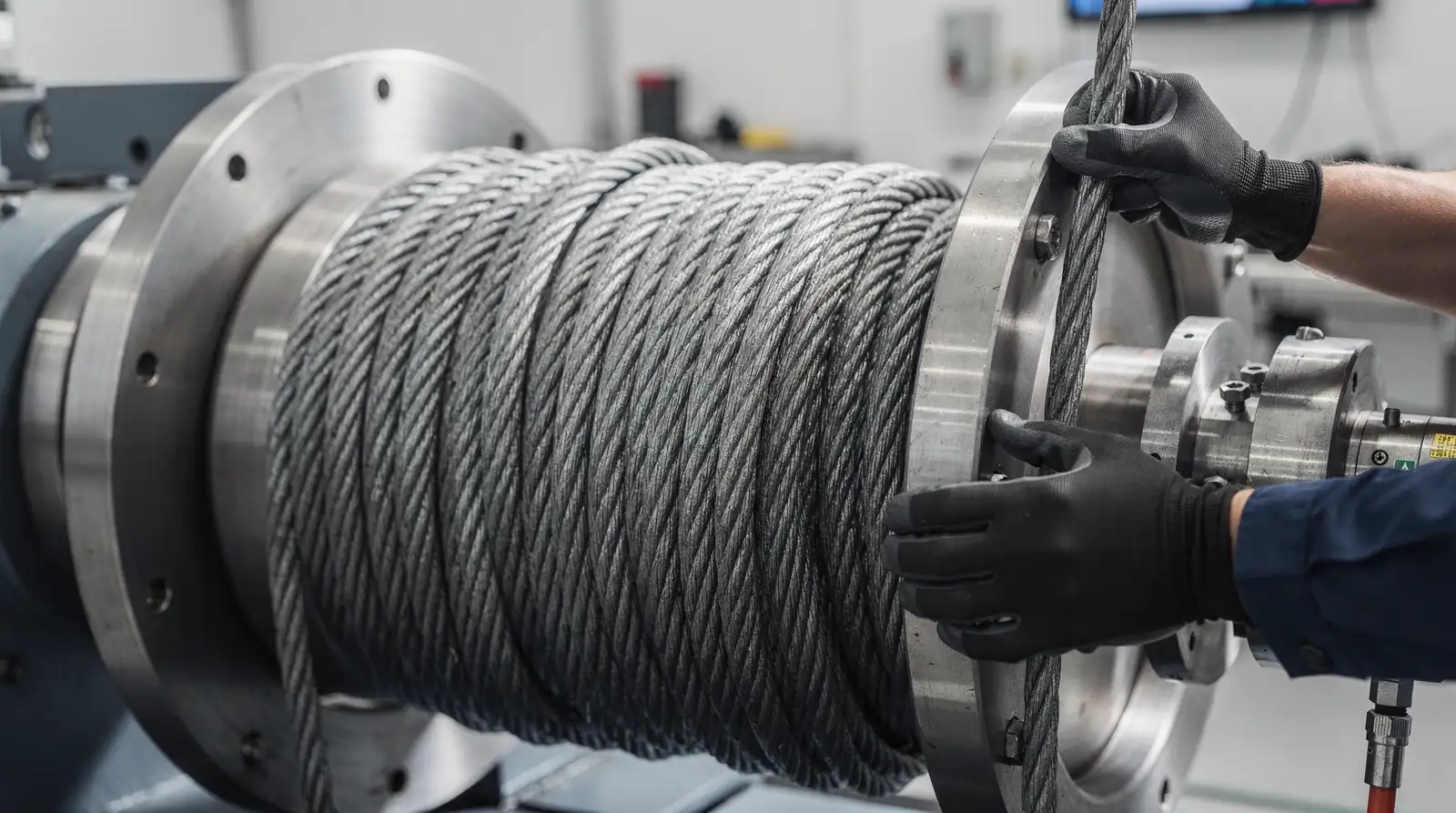
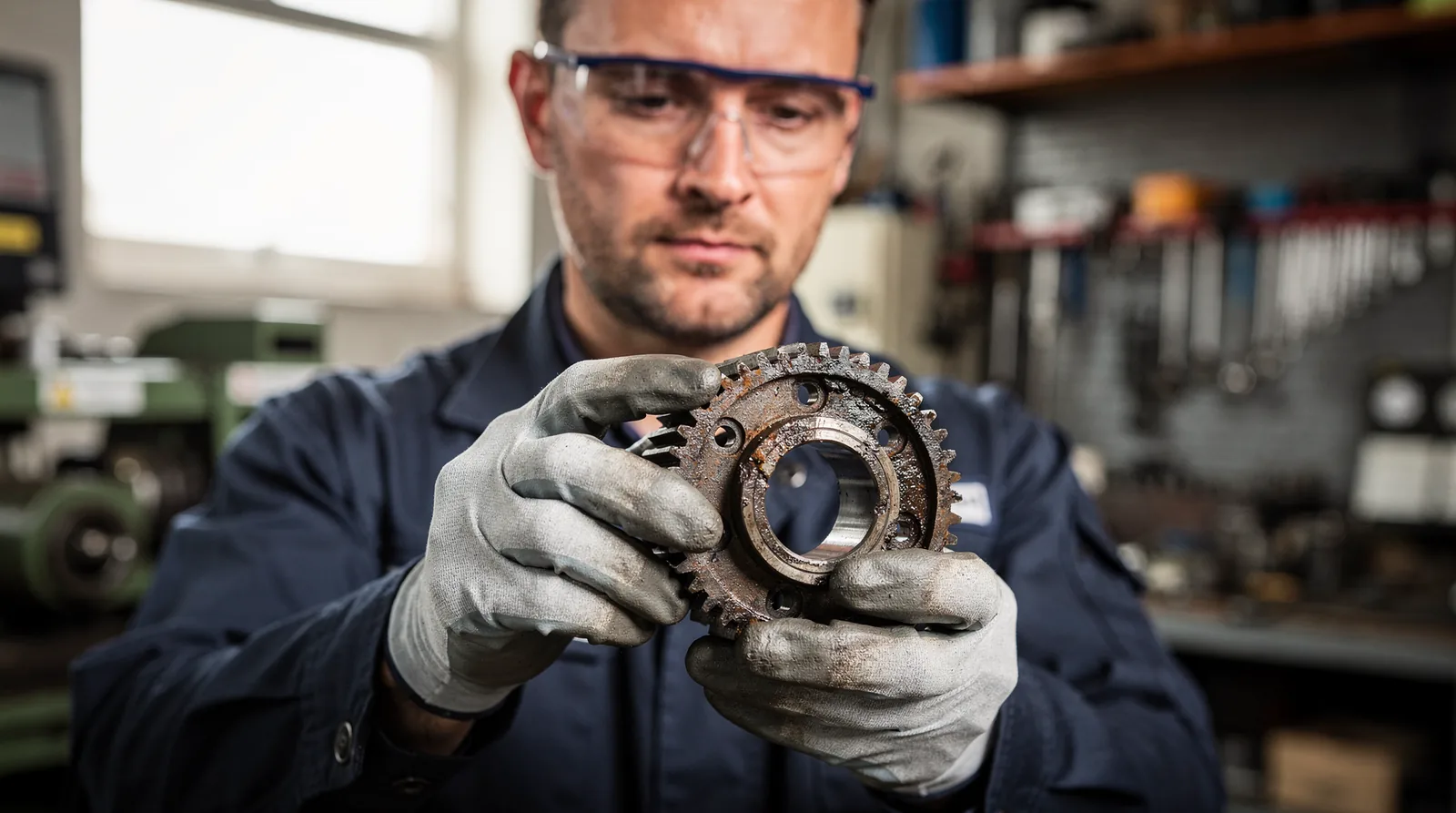
Heat can affect the smooth operation of garage doors. When components wear out, the door may not close properly. This creates small openings that allow heat to enter. Issues like broken springs or worn rollers and cables can affect alignment and sealing. If not addressed, these problems reduce efficiency and increase energy loss.
When these factors combine, they significantly reduce the performance of garage doors in hot climates. Addressing these causes early helps maintain garage door energy efficiency and improve system reliability.
Best Features to Look for in Energy-Efficient Garage Doors
Choosing the best garage doors for energy efficiency in hot climates requires understanding key features that improve garage door energy efficiency. These features help reduce heat transfer and improve overall performance. High-quality insulation is one of the most important factors. Garage doors with higher R-values provide better resistance to heat. This helps maintain stable temperatures inside the garage and reduces energy consumption.
Multi-layer construction also improves efficiency. Double-layer and triple-layer doors include insulation between panels. This structure reduces heat transfer and improves durability. Proper sealing is another critical feature. Tight weather seals prevent hot air from entering through gaps. This ensures that cool air remains inside and improves overall performance.
Advanced systems may also include improved garage door openers that operate efficiently even in high temperatures. These systems help maintain smooth operation and reduce strain on the door.
Signs Your Garage Door Is Not Energy Efficient
Hot climates often reveal performance issues in garage doors. Recognizing these signs early helps prevent long-term problems and reduce energy loss. One common sign is excessive heat inside the garage. If the space feels significantly hotter than outside, the door may lack proper insulation, reducing garage door energy efficiency. This is often a sign that the system is not performing efficiently.
Another sign is increased energy bills. When cooling systems work harder to maintain indoor temperatures, energy costs rise. This often indicates poor insulation or air leakage. Unusual noise can also signal problems. Many homeowners notice issues with noisy doors when components wear out due to heat. This can affect alignment and sealing.
Misalignment is another warning sign. If the door appears uneven or does not close properly, heat may be affecting its structure. In some cases, this can lead to off-track doors, which require immediate attention. Addressing these signs early helps restore efficiency and prevent further issues.
Why Professional Installation and Service Matter
Garage doors require proper installation to perform efficiently in hot climates. Even high-quality doors can fail if they are not installed correctly. Professional service ensures that all components are aligned and functioning properly. Technicians understand how heat affects different materials and systems, helping to maintain garage door energy efficiency.
Professional inspections also identify hidden issues that may not be visible. This includes worn components, poor sealing, and insulation problems. Addressing these issues early prevents costly repairs and improves efficiency.
Homeowners can also explore additional protection options through garage door security features that enhance durability and performance. Proper care and expert service play a key role in maintaining energy efficiency.
How to Improve Garage Door Energy Efficiency
Improving garage door efficiency requires a combination of upgrades and regular maintenance. Simple steps can significantly reduce heat transfer and improve performance. Start by upgrading to an insulated garage door with a high R-value. This helps improve garage door energy efficiency, provides better resistance to heat, and enhances indoor comfort.
Next, replace worn weather seals to prevent air gaps. Proper sealing ensures that hot air does not enter the garage. Regular lubrication of moving parts helps maintain smooth operation. This reduces wear and prevents alignment issues caused by heat.
Following expert advice from the garage door blog can help homeowners maintain efficiency and extend the lifespan of their system. Consistent care ensures long-term performance in hot climates.
Upgrade to an Energy-Efficient Garage Door Today
Hot climates can significantly impact garage door performance over time. Without proper insulation and maintenance, heat can reduce garage door energy efficiency and increase energy costs. Choosing the best garage doors for energy efficiency in hot climates helps protect your home and improve comfort.
Professional service ensures that your garage door is properly installed and maintained. This reduces the risk of heat-related issues and improves overall system performance. Regular inspections also help identify problems early and prevent costly repairs.
If your garage door is not performing efficiently, now is the time to take action. Contact our team today through our precision door visalia to schedule expert service and find the best energy-efficient solution for your home.