
Why Your Garage Door Opens Slowly: Common Causes and How to Fix It
A slow-opening garage door can be frustrating and may indicate underlying mechanical issues. Typically, various factors contribute to this problem, ranging from specific component wear to environmental influences. In this article, we’ll thoroughly explore the common causes of slow garage door operation, the effects of these issues, and practical solutions you can implement. By recognizing these factors, you’ll not only enhance the efficiency of your garage door but also potentially extend its lifespan. This guide covers everything from identifying specific issues, such as worn springs and misaligned tracks, to preventive measures and the benefits of professional maintenance services.
Common Causes of Slow Garage Door Opening
Understanding the reasons behind a slow-opening garage door is crucial for diagnosing and addressing the issue effectively. Several mechanical components work in unison to facilitate smooth movement, and any malfunction in these parts can hinder performance.
Worn or Broken Springs
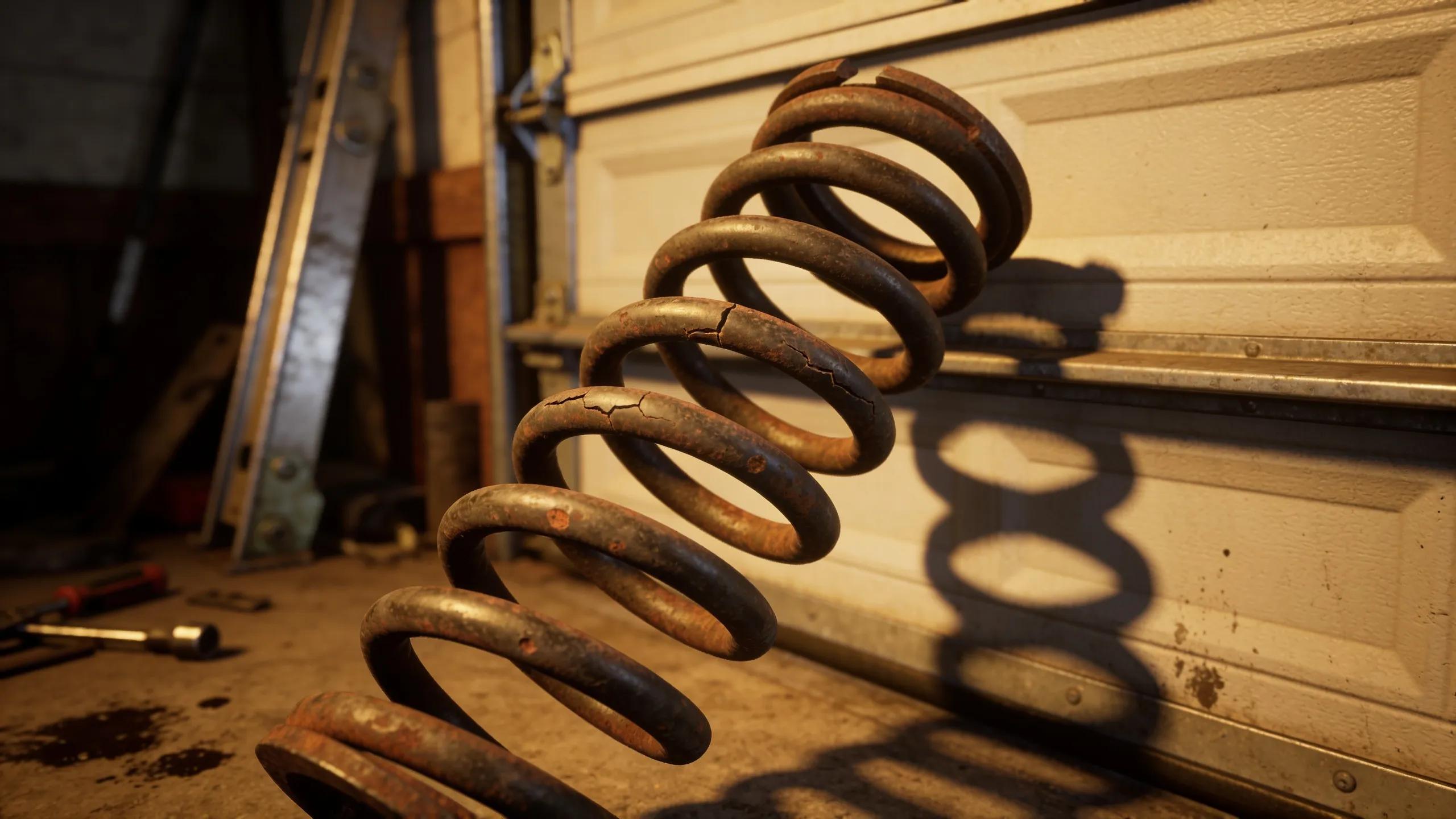
Worn or broken garage door springs create significant challenges for proper functionality. These springs are crucial for counterbalancing the door’s weight, allowing it to open and close smoothly. When they wear out, they can lead to sluggish operation and increased strain on other components. Common spring wear symptoms include a noticeable increase in door opening time and unusual noises during operation. If you suspect your springs are worn, it’s essential to have them professionally replaced to ensure safe and effective operation.
Faulty Rollers
Faulty rollers are another common issue that affects garage door speed. Rollers that have become worn or damaged can impede the door’s movement along the tracks, causing it to open slowly or stick intermittently. High-quality roller replacements made from durable materials can enhance the efficiency of your garage door system. Regular inspections can identify roller issues before they become more significant problems, promoting smoother operation over time.
Misaligned or Blocked Tracks
Misaligned or blocked tracks can severely impact how smoothly your garage door operates. When tracks are misaligned, they prevent the door from moving freely, resulting in slower operation and increased wear and tear on components. Signs of misalignment include visible gaps between the tracks and door or excessive noise when the door moves. Realigning the tracks usually involves tightening screws or adjusting brackets to restore proper alignment, allowing for seamless door operation.
Opener Motor Problems
The garage door opener motor is the heart of the system, and any malfunctions here can significantly slow down operation. If the motor is struggling to lift the door, it could mean the opener is underpowered or experiencing mechanical failure. Homeowners can diagnose these issues by checking the motor for unusual sounds, such as grinding or clicking. Recognizing when to consult a professional for repairs can prevent more extensive damage and lead to quicker resolutions.
Power Source or Remote Issues
Garage doors operate primarily through electrical signals from a remote or wall switch. Power disruptions can cause slow responses or complete failures. Ensure the opener is connected correctly, test the remote functionality, and check that your garage is receiving adequate power. Sometimes, simple troubleshooting can rectify minor problems, allowing your garage door to function correctly again.
Sensor Misalignment
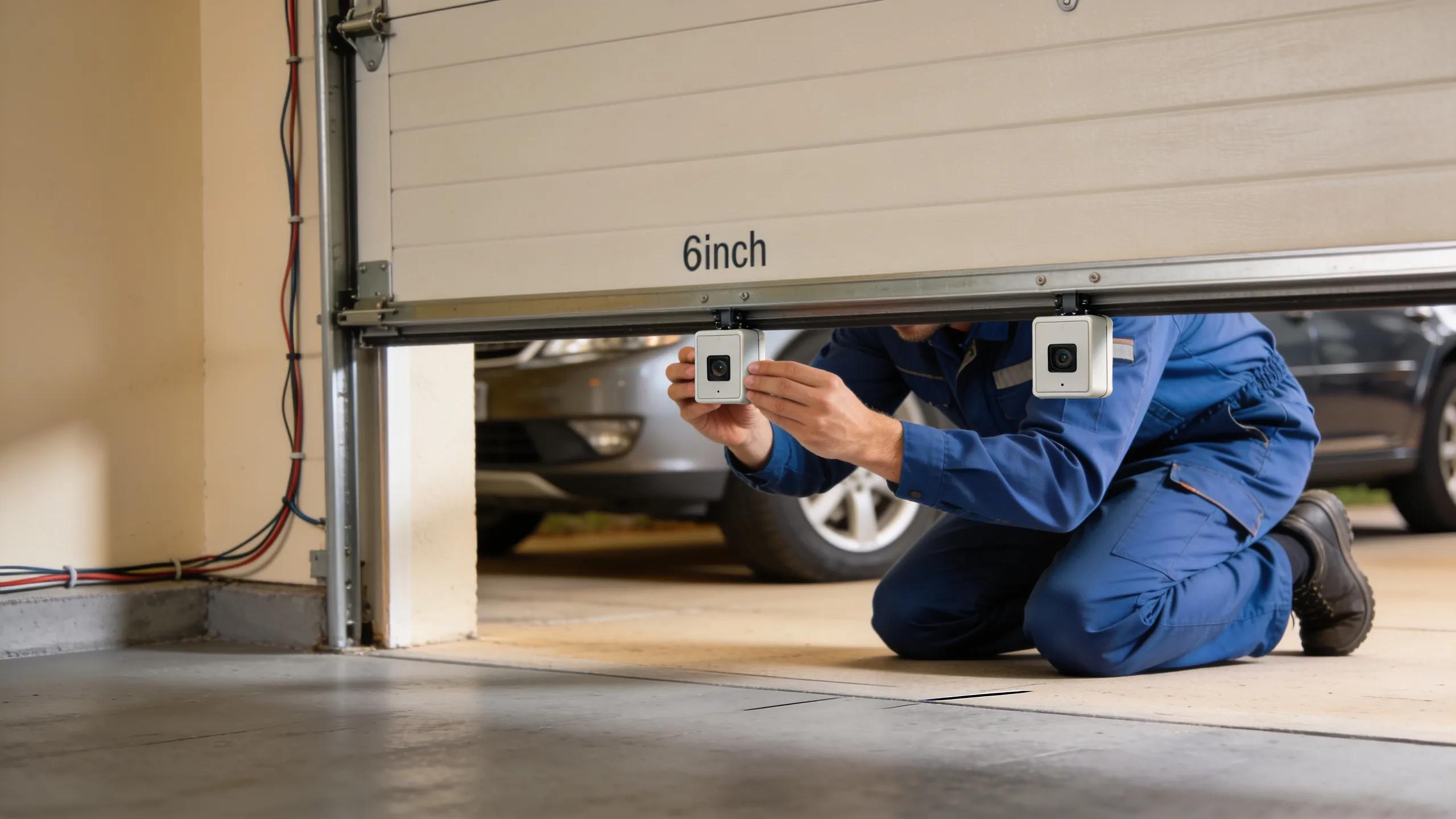
Many modern garage doors are equipped with safety sensors that prevent accidents. If these sensors become misaligned or blocked, they can interfere with the door’s operation and lead to slow operation or stop altogether. Regular maintenance, such as cleaning the sensors and ensuring they face each other correctly, helps keep your garage door functioning safely and efficiently.
Lack of Lubrication
Insufficient lubrication can cause friction between the garage door’s components, resulting in sluggish performance. Doors require periodic lubrication of their moving parts, such as hinges, rollers, and tracks, to operate smoothly. Neglecting this critical maintenance task can amplify wear and slow down the operation. Using appropriate lubricants, particularly those specifically designed for garage doors, can significantly improve movement and prevent future issues.
Preventive Measures
Taking proactive steps can help prevent your garage door from opening slowly in the future. Regular maintenance and inspections not only enhance performance but also extend the lifespan of the door and its components. Here are some key practices to consider:
- Regular maintenance inspections: Schedule inspections to assess component condition and identify potential issues early.
- Importance of cleaning components: Keep tracks and rollers free of dust and debris to ensure smooth movement.
- Lubricate moving parts: Regularly apply lubricant to hinges, rollers, and tracks, ensuring efficient operation.
Following these tips can help maintain optimal garage door performance, reducing the likelihood of slow-opening issues.
For those seeking comprehensive assistance with maintenance and repair, Precision Garage Door Service specializes in garage door services. Regular servicing and professional repairs can help sustain your door’s performance and longevity.
What Are the Main Reasons Your Garage Door Opens Slowly?
Several mechanical issues can contribute to a slow-opening garage door. Common problems include worn springs, faulty rollers, misaligned tracks, motor failures, power source issues, sensor misalignment, and inadequate lubrication. Each of these factors interacts with the door’s overall function, often exacerbating the problem if not addressed promptly. Awareness and proactive measures can significantly enhance the performance of your garage door system.
How Do Worn Springs Affect Garage Door Speed?
Worn springs play a crucial role in the efficiency of garage door speed. They are designed to counterbalance the door’s weight and assist in lifting it during operation. When springs become stretched or weakened, they can no longer provide the necessary support, leading to a slower opening speed. Owners may notice delayed movement and increased effort required from the opener. Timely replacement of springs is essential to restore full functionality.
Can Misaligned Rollers and Cables Cause Slow Door Movement?
Misaligned rollers and cables can significantly hinder a garage door’s performance. If rollers are out of alignment, they create friction against the tracks, potentially leading to inconsistent door speed. Additionally, if cables are slack or frayed, they can affect the entire lifting mechanism, causing further complications. Addressing these alignment issues can help ensure smoother and faster door operation.
How Do You Diagnose Slow Garage Door Speed Issues?
Diagnosing slow garage door speed requires careful observation and basic troubleshooting techniques. Homeowners can start by:
- Conducting visual inspections: Look for signs of wear or damage on springs, rollers, and tracks.
- Listening for unusual noises: Any grinding or rattling sounds could indicate underlying mechanical problems.
- Testing the opener’s response time: Checking if the door responds slowly to controls can pinpoint opener issues.
- Assessing power supply: Ensuring all electrical connections are intact helps identify power-related delays.
Using these techniques, you can pinpoint potential problems effectively and determine when professional help is necessary.
What Are Step-by-Step DIY Troubleshooting Methods?
For those comfortable with minor repairs, the following steps can help troubleshoot common slow garage door issues:
- Inspect springs for wear: Look for signs of damage or stretching; call a professional if replacement is needed.
- Check tracks for alignment: Tighten brackets and adjust tracks as necessary for straightening.
- Test the door opener: Ensure it operates smoothly and responds quickly.
- Lubricate moving parts: Apply lubricant to rollers and hinges to reduce friction.
- Realign sensors: If safety sensors are misaligned, adjust them to ensure proper function.
These troubleshooting methods empower homeowners to maintain their garage doors effectively and address minor issues before they escalate.
When Should You Use Professional Diagnosis and Repair Services?
Recognizing when to engage professional repair services can save time and prevent complications. Key indicators for professional assistance include:
- Persistent issues that are beyond basic troubleshooting.
- Visible damage to major components like springs or cables.
- Electrical problems with the garage door opener.
- A door that does not respond to controls at all.
Professional services like those offered by Precision Garage Door Service can ensure safe, efficient repairs, providing expertise and preventing further damage.
What Are Simple Fixes to Speed Up a Slow Garage Door?
Several straightforward fixes can be applied to speed up a slow garage door:
- Lubrication: Regularly lubricate all moving parts with appropriate oils or greases.
- Adjusting the tracks: Ensure tracks are free of debris and align them correctly for smooth movement.
- Replacing worn springs or rollers: If components are damaged, prompt replacements can enhance speed and efficiency.
By addressing these common issues, homeowners can often improve their garage door’s performance without extensive repairs.
For issues related to noisy doors, understanding the causes can help prioritize repairs. Explore solutions for noisy garage doors to ensure quiet operation.
How Does Garage Door Lubrication Improve Door Speed?
Garage door lubrication significantly enhances the door’s operational speed by reducing friction between moving parts. Proper lubrication minimizes resistance, allowing the door to open and close more smoothly. Additionally, maintaining lubricated parts can prolong the lifespan of these components, reducing the need for frequent repairs. Homeowners should use high-quality lubricants designed specifically for garage doors to maximize effectiveness.
What Are Key Maintenance Tips to Prevent Slow Operation?
Regular maintenance is essential for keeping a garage door operating smoothly. Here are several key tips:
- Conduct regular safety inspections: Look for wear and tear on all components.
- Ensure cleanliness of moving parts: Dust and dirt accumulation can cause friction.
- Lubricate hinges and rollers: Keep them well-lubricated to support efficient operation.
- Test the door regularly: Ensure it opens and closes without hesitation.
These maintenance practices ensure that garage doors function reliably and efficiently, minimizing slow-operation issues.
Why Choose Professional Garage Door Repair for Slow-Opening Issues?
Choosing professional services for slow garage door issues has several advantages. Experts have the necessary training to identify complex problems that may not be evident to homeowners. They also possess the proper tools and parts for quick and effective repairs. Professional services provide peace of mind, knowing that the work is done correctly and safely, ultimately preventing future complications.
What Are the Advantages of Local Expert Repair Services?
Engaging local repair services for garage door issues offers multiple benefits, including:
- Accessibility: Local experts can respond quickly to service requests, minimizing downtime.
- Community trust: Established local businesses often have reputations to uphold.
- Familiarity with regional issues: Local repair technicians understand common problems specific to their area.
These advantages make local expert services an appealing choice for homeowners seeking reliable garage door repairs.
How Do Professionals Fix Motor and Sensor Problems Affecting Speed?
Professionals address motor and sensor problems through a systematic approach:
- Diagnostic checks: Technicians first evaluate the electrical components of the garage door system.
- Motor repairs or replacements: If the motor is malfunctioning, it may require repair or full replacement to restore function.
- Sensor alignment: Professionals will ensure that safety sensors are correctly aligned and operational, minimizing delays.
This expertise ensures that issues affecting garage door speed are addressed promptly and effectively, providing peace of mind for homeowners.