
Routine garage door tune-ups often get ignored until something breaks. That delay can quickly lead to expensive repairs. Your garage door moves up and down many times each day. Each movement creates friction and stress on important parts. Without routine care, small issues grow into serious problems.
Many homeowners wonder if tune-ups actually prevent repairs. Others assume breakdowns happen no matter what. The truth is simple. Most major garage door failures start small. Loose hardware, worn rollers, or dry hinges slowly damage the system. Ignoring these issues increases repair costs and safety risks.
This guide explains why routine garage door tune-ups prevent costly repairs. You will learn what tune-ups include and how they protect your door. You will also discover warning signs and long-term benefits of regular service.
Why Garage Doors Fail Without Routine Maintenance
Garage doors fail faster when homeowners skip routine maintenance. Daily use puts constant stress on springs, rollers, and hardware. Dirt builds up, parts loosen, and friction increases. These small issues slowly weaken the entire system and often lead to garage door repairs.
Without maintenance, worn parts force other components to work harder. A dry roller strains the track during garage door tune-ups. Loose hardware affects balance. Weak springs overload the opener. Each problem spreads stress across the door and speeds up failure. What starts small often turns into a major repair.
Routine maintenance stops this chain reaction early. Regular garage door tune-ups catch wear before parts fail and allow technicians to make precise adjustments that restore balance and smooth movement. Consistent care keeps the system working as designed and reduces the risk of unexpected breakdowns.
What a Garage Door Tune-Up Covers
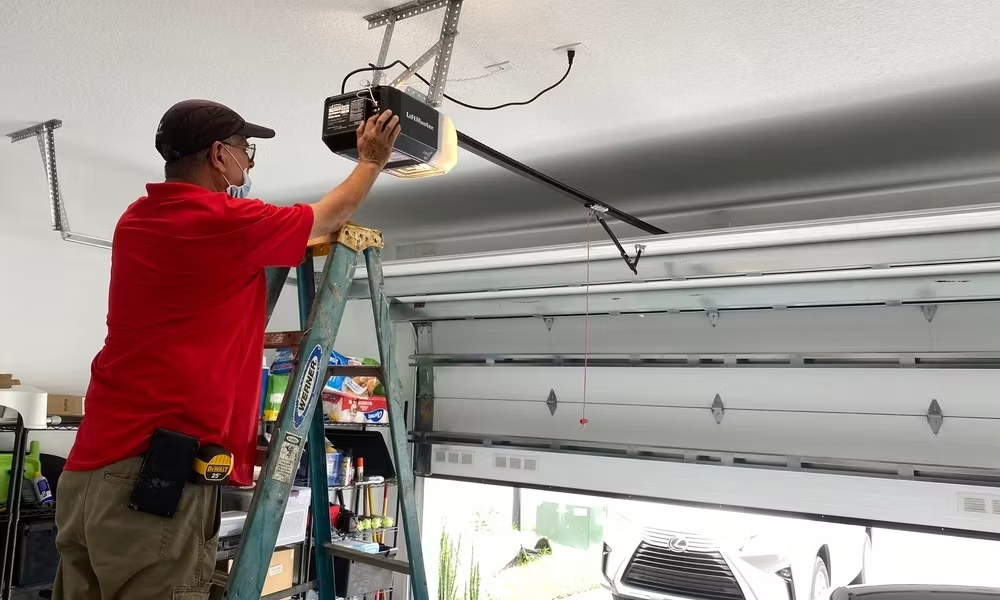
A garage door tune-up covers moving and safety parts. Technicians inspect springs, cables, rollers, and hinges.. They tighten loose hardware and test door balance for smooth movement. Opener settings and safety sensors are checked to confirm proper response. Technicians also lubricate key components using approved parts and accessories to reduce friction and extend part life. This process helps prevent sudden failures and keeps the door operating safely and efficiently.
Spring and cable inspection
Springs and cables carry most of the garage door’s weight. During garage door tune-ups, technicians inspect them for wear, rust, or fraying to ensure safe operation. Weak springs affect balance and place strain on other components, while damaged cables can snap without warning. Early inspection helps prevent broken springs and reduces the risk of sudden door failure or unsafe operation.
Rollers, hinges, and hardware check
Rollers, hinges, and hardware guide the garage door as it moves. Worn rollers create noise and uneven movement, while loose hinges allow panels to shift and bind. During garage door tune-ups, technicians tighten hardware, inspect hinge stability, and check roller condition to ensure consistent, quiet operation. This inspection helps prevent damage to rollers and cables and keeps the door moving smoothly and safely.
Track alignment and balance testing
Proper track alignment and balance keep a garage door moving smoothly. Misaligned tracks force rollers to rub and bind, while an unbalanced door places extra strain on the opener. During garage door tune-ups, technicians adjust alignment and test balance to restore smooth, reliable movement. These checks often reduce noisy doors and help prevent uneven wear or sudden failure.
Opener and safety sensor testing
Garage door openers and safety sensors control movement and protect users during garage door tune-ups. During a tune-up, technicians test the opener response and sensor alignment. Faulty sensors can cause sudden stops or unsafe closing. An opener under strain may pull the door unevenly. Proper testing helps prevent off track doors and keeps the operation safe and reliable.
Lubrication of moving parts
Lubrication reduces friction between moving garage door parts. Rollers, hinges, springs, and bearings need proper lubrication to move smoothly. Without it, metal parts grind against each other during garage door tune-ups and wear faster. This added strain can affect overall performance and lead to premature failure.
During a tune-up, technicians apply the correct lubricant and check nearby components. Proper lubrication supports smooth operation and reduces stress on garage door openers. This step also helps quiet movement and extends the life of the entire system.
How Tune-Ups Reduce Long-Term Repair Costs
Routine garage door tune-ups help control long-term repair costs. Small adjustments prevent minor issues from turning into major damage. Tightening hardware, balancing the door, and replacing worn parts early costs less than full system repairs. Regular service also reduces emergency calls and unexpected failures.
Tune-ups also protect safety and performance features. A balanced and well-maintained door responds better to sensors and locking systems. This support improves the reliability of garage door security features and helps prevent forced entry or unsafe operation.
Consistent maintenance extends the lifespan of the entire system. Regular garage door tune-ups ensure that all components work together correctly, helping parts last longer and operate smoothly. Reduced strain on the opener and hardware improves overall performance, and over time, these benefits keep repair costs predictable and manageable.
Common Signs Your Garage Door Needs a Tune-Up
Garage doors often show warning signs before major problems appear, especially when garage door tune-ups are overdue. Unusual noises, slow movement, or jerky operation signal added strain. The door may feel heavy or struggle to open fully. These issues often point to the need for routine garage door maintenance.
Visible wear also signals trouble. Frayed cables, loose bolts, or dry rollers increase friction during movement. The door may shake, bind, or stop unevenly. These problems reduce control and place stress on the opener and tracks.
Changes in performance should never be ignored. A door that reverses suddenly or fails to close completely may have balance or sensor issues. Regular garage door tune-ups help identify these problems early, reducing the risk of breakdowns, safety hazards, and higher repair costs.
Book a Garage Door Tune-Up in Visalia Before Repairs Get Expensive
Putting off service often turns small garage door issues into expensive repairs. Routine garage door tune-ups help protect your door, improve safety, and extend system life. Regular maintenance keeps parts aligned, balanced, and working together smoothly.
Precision Door Visalia provides professional tune-ups that prevent sudden breakdowns and reduce long-term repair costs. Experienced technicians inspect, adjust, and maintain every critical component. This approach helps homeowners avoid emergencies and protect their investment.
Book a garage door tune-up in Visalia today and stop problems before they grow. Contact Precision Door Visalia now to schedule expert service and keep your garage door operating safely and reliably.


