Signs Your Garage Door Is a Safety Hazard
Warning signs include a door that reverses without contact, sags unevenly, or slams shut instead of closing smoothly, often linked to garage door spring failure signs such as worn springs or a failing LiftMaster opener battery. Partial closure creates security gaps and unexpected movement. Grinding noises, delayed response, and frayed cables signal hazards demanding prompt professional inspection.
Key Takeaways
-
Garage doors rank among the most-used moving parts in homes yet receive minimal maintenance attention.
-
Partial door closure creates security vulnerabilities and triggers unintended movement, endangering occupants.
-
Malfunctioning garage doors leave homes vulnerable to intruders and significantly disrupt daily routines.
-
Early warning sign detection prevents costly damage, protects property, and ensures family safety, and helps homeowners recognize when to replace garage door components before failure occurs.
Garage doors rank among the most-used moving parts in homes yet receive minimal maintenance attention.
Partial door closure creates security vulnerabilities and triggers unintended movement that endangers occupants.
Malfunctioning garage doors leave homes vulnerable to intruders and disrupt daily routines significantly.
Early warning sign detection prevents costly damage, protects property, and ensures family safety, and helps homeowners recognize when to replace garage door components before failure occurs.
What Behaviors Signal a Safety Hazard?
Certain behaviors separate a minor annoyance from signs your garage door is a safety hazard. A door that reverses without explanation, refuses to stay open, or slams down unexpectedly all point to trouble beneath the surface. These patterns rank among the clearest garage door safety warning signs homeowners can spot without any special tools.
Automatic reversal exists as a built-in safety feature, designed to protect family members, pets, and belongings whenever the system detects an obstruction, one of the most important garage door safety tips homeowners should know. That protective function works exactly as intended in most cases. Trouble starts when reversal happens for no clear reason at all. That pattern signals something needs professional attention rather than a random glitch.
Why Does My Garage Door Reverse for No Reason?
A door that does this repeatedly is often doing exactly what its safety design intends: reacting to a sensor issue or misalignment rather than malfunctioning randomly. Homeowners should treat an unexplained reversal pattern as a signal worth investigating, not an oddity to ignore.
What Does It Mean When a Garage Door Won’t Stay Open?
A garage door won’t stay open condition, paired with a garage door slams shut episode, points to real mechanical failure. Both behaviors create:
-
Security vulnerabilities that leave a home exposed
-
Unpredictable door movements that put people and vehicles at risk
Security vulnerabilities that leave a home exposed
Unpredictable door movements that put people and vehicles at risk
Either pattern calls for prompt evaluation before continuing daily use.
Could Worn Parts Trigger Sudden Failure?
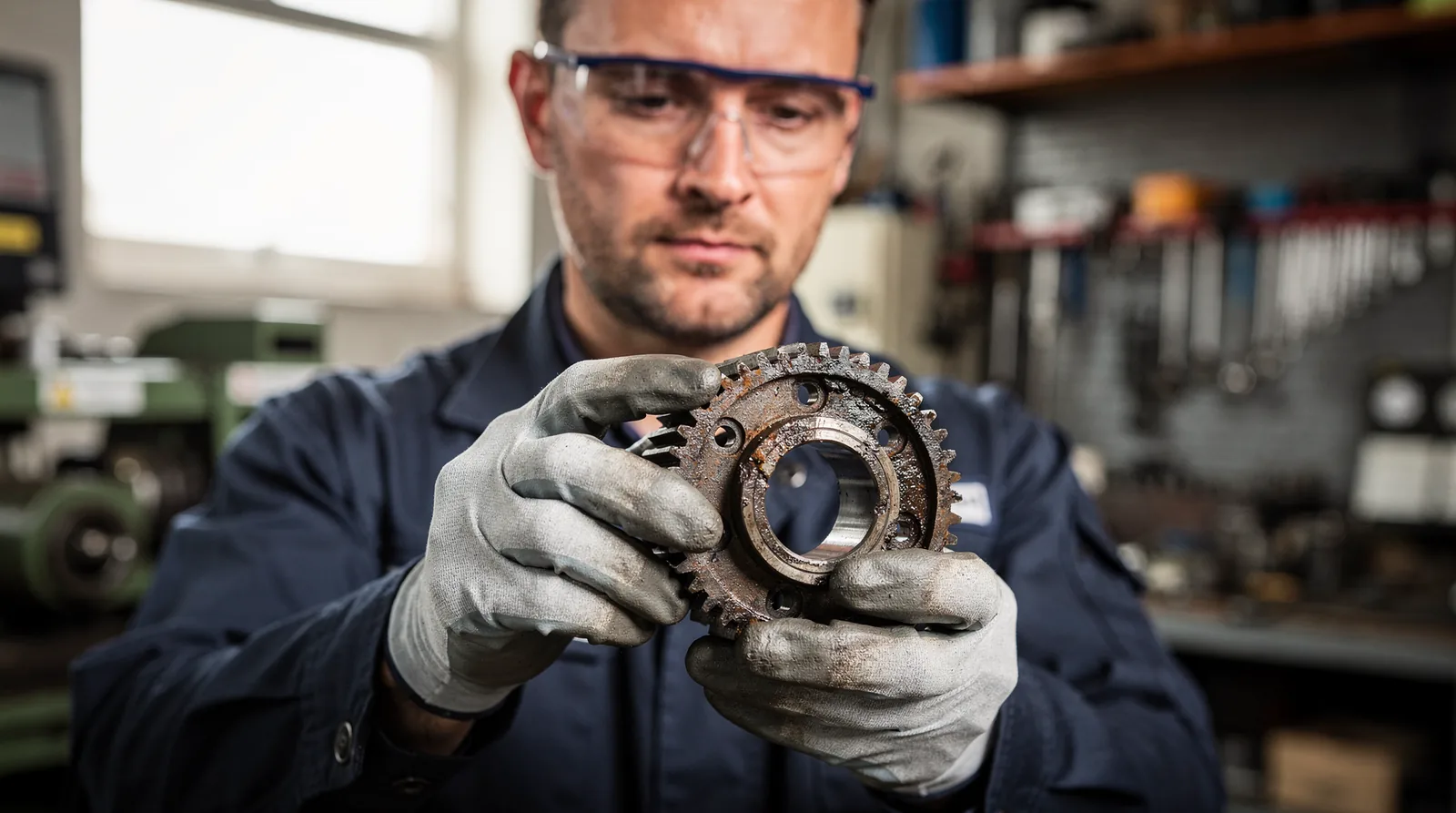
Worn components in a garage door opener pose a real risk of sudden breakdown. Grinding noises often signal gears that have become misaligned or worn down inside the motor housing, one of the earliest warning signs a homeowner notices in a garage door repair. That grinding rarely resolves itself; it typically grows louder before the system quits altogether.
What Does a Grinding Noise Usually Mean?
A grinding sound points to two likely mechanical culprits. Misaligned or worn gears inside the opener rub against each other, generating friction and noise. A chain that has loosened or been damaged can also grind against the track as the door travels up and down.
Watch for these related clues alongside the noise:
-
Metallic grinding or scraping during opening or closing
-
Jerky, uneven door movement paired with unusual sound
-
The motor working harder to finish a full cycle
Metallic grinding or scraping during opening or closing
Jerky, uneven door movement paired with unusual sound
The motor working harder to finish a full cycle
Is a Noisy Opener a Safety Issue or Just an Annoyance?
Grinding is never purely cosmetic. Any malfunction or odd noise signals a problem serious enough to warrant a garage door professional inspection rather than a quick homeowner fix. Garage doors rank among the largest, heaviest moving parts in any house, so developing problems bring genuine safety risks, not simple inconvenience. Left unchecked, a grinding gear or a loose chain becomes one of the clearest signs that your garage door is a safety hazard, turning a mechanical nuisance into a household danger.
When Should You Call a Professional?
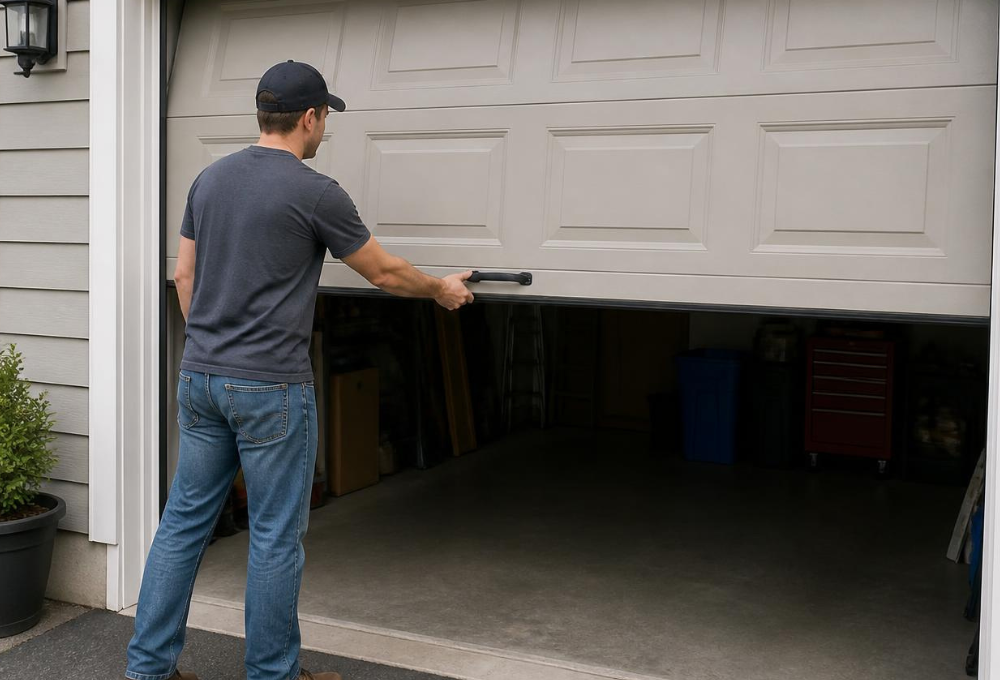
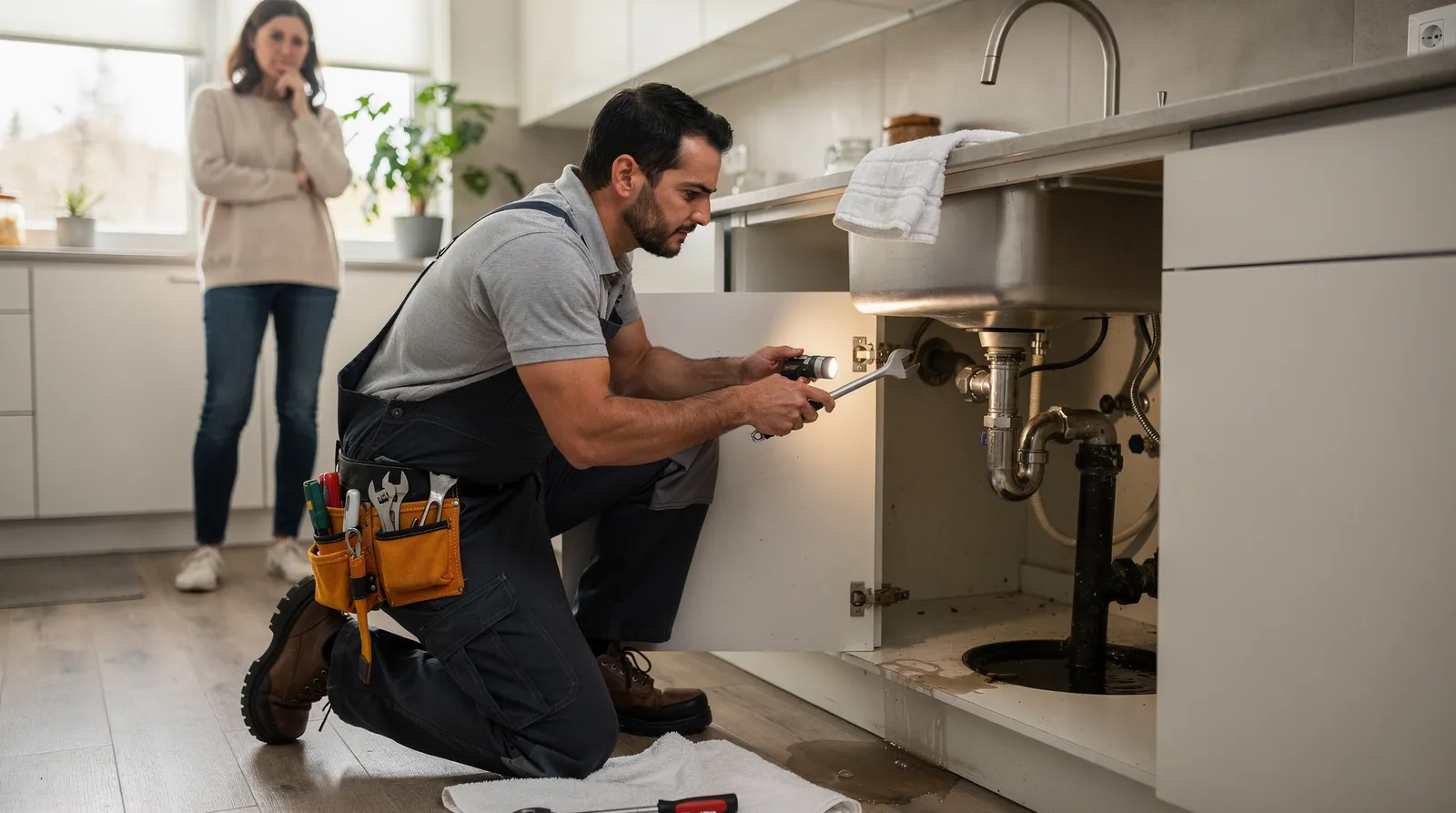
Professional attention becomes necessary the moment a garage door shows signs of being a safety hazard rather than a minor cosmetic issue. A door left cracked open, for example, does more than look untidy. It invites pests inside, raises the odds of a break-in, and drives up energy bills as conditioned air leaks through the gap. Keeping the door fully closed when not in use protects both the home’s security and its energy efficiency. Any door that won’t seal properly deserves a technician’s look.
Opener trouble carries its own urgency. Unresponsive remotes, shrinking signal range, and warning lights on the unit are classic garage door repair warning signs worth catching early, before a full breakdown strands someone outside.
How Often Should a Garage Door Get Checked by a Professional?
Routine garage door professional inspection visits catch wear that daily use hides from an untrained eye. Technicians verify spring tension, track alignment, and sensor response through a garage door safety sensor test — details that keep operation safe and reliable over time.
Waiting rarely pays off. Delaying repairs can escalate a minor issue into complete system failure or physical injury. Prompt professional service restores smooth, dependable operation and real peace of mind for the household, helping homeowners understand when to replace garage door parts rather than risk further damage.
FAQ
Why does my garage door reverse without hitting anything?
This points to a sensor issue or misalignment rather than a random glitch. Precision Garage Door of Visalia recommends treating unexplained reversal as a signal worth investigating promptly.
What does it mean if my garage door won’t stay open or slams shut?
Both patterns indicate real mechanical failure, creating security vulnerabilities and unpredictable movements that risk injury. Prompt evaluation is necessary before continuing to use the door daily.
What causes grinding noises in a garage door opener?
Grinding usually comes from misaligned or worn gears inside the motor housing, or a loosened chain rubbing against the track. This noise rarely resolves alone and warrants professional inspection.