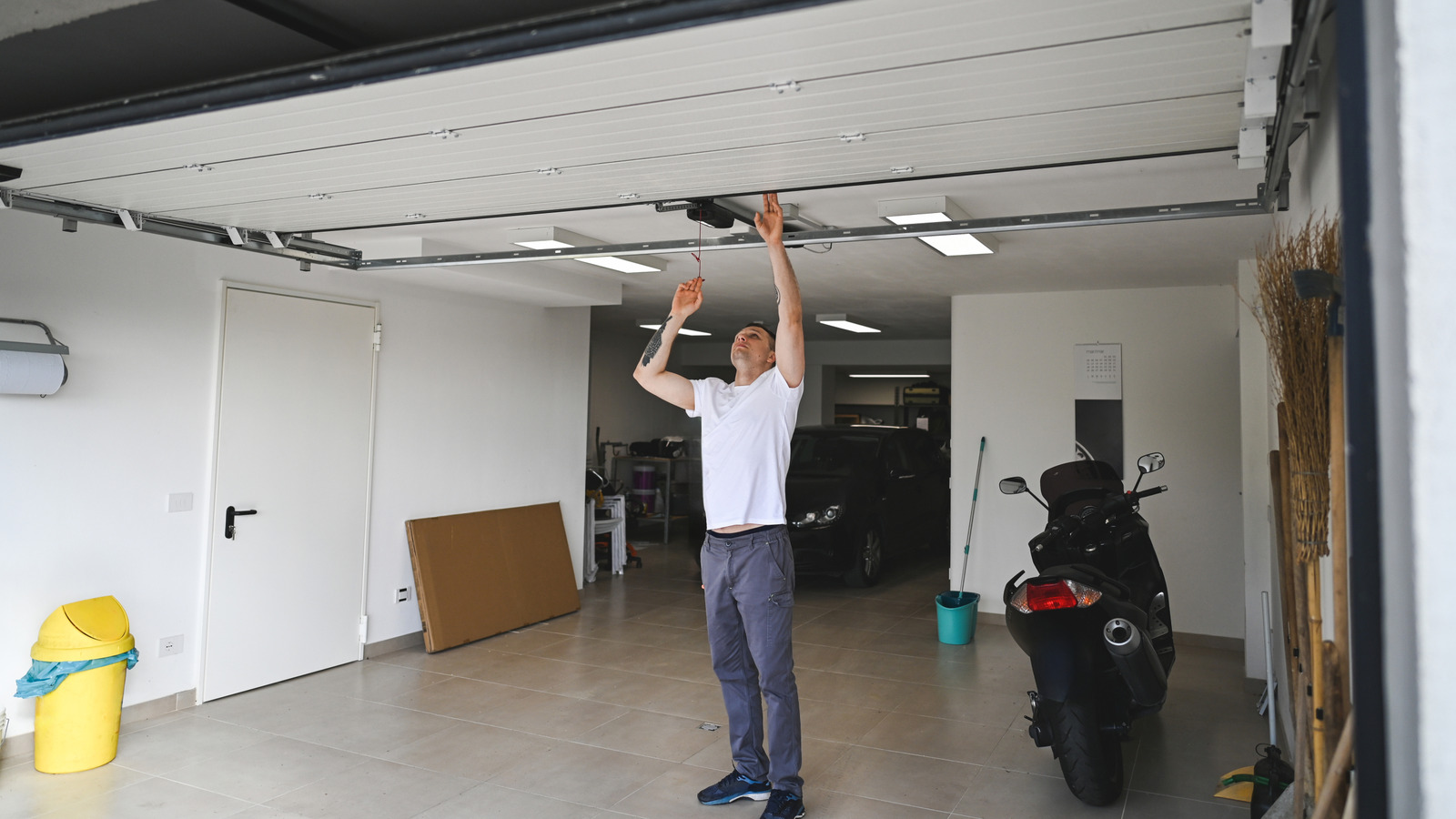

A garage door problem can stop your day fast. A loud noise, a sudden stop, or a door that will not move can create stress and delay your plans. Many homeowners feel unsure about what the issue means or how serious it might be. When you learn how to troubleshoot a Garage Door, you gain control and protect your home from bigger problems later.
Small issues often hide deeper faults. A simple click that does nothing can point to a safety sensor problem. A shaking door can show wear in parts you do not see. These small signs help you understand the health of your door.
In this guide, you will learn how to spot early trouble, test key parts safely, and decide when to call a trained expert. This clear process helps you make smart choices and keep your door working well.
Why Issues Start and How to Spot Early Signs
Many homeowners want to troubleshoot a Garage Door when it starts to act in unusual ways. Small changes often appear before the real problem shows. You might hear light scraping or notice slower movement. These signs help you understand when a simple fix is enough.
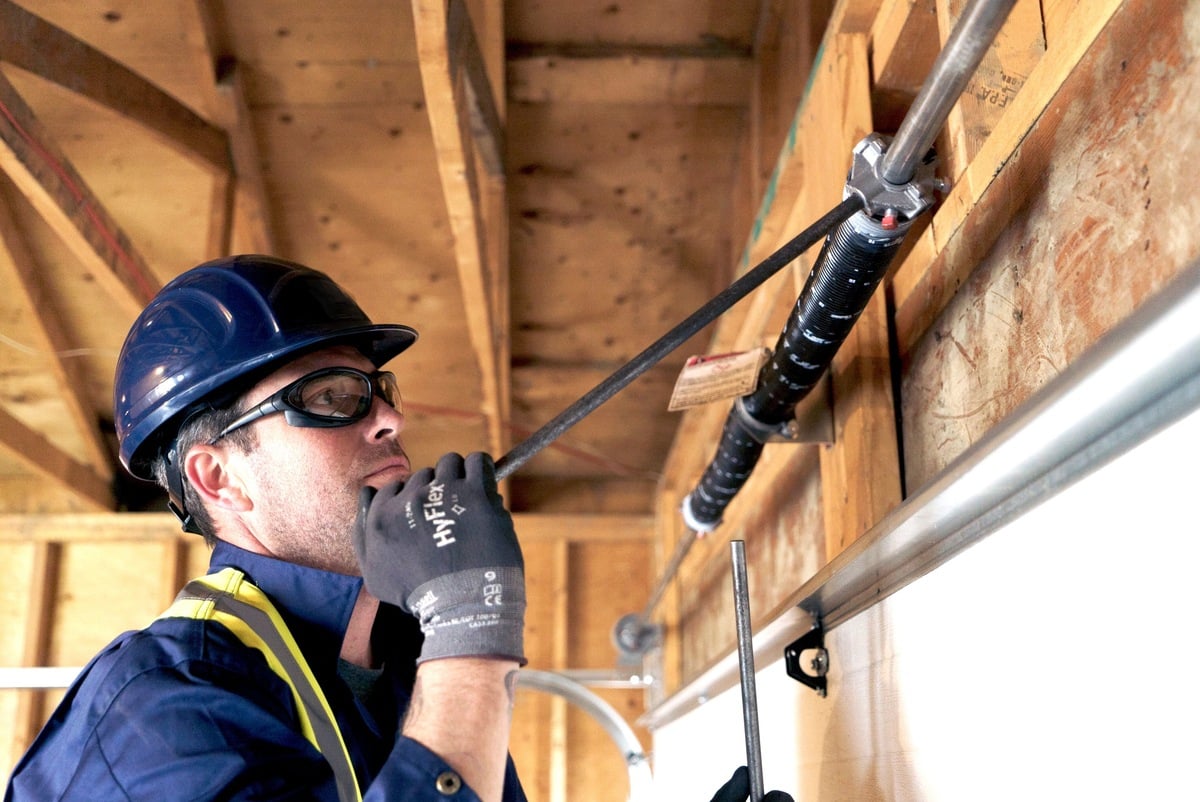
Some issues grow because one part begins to wear out. A loose hinge or weak spring can change how the door moves each day. When that happens, the strain can spread to other parts. If you want a clearer view of how these parts fail, you can review garage door repairs on the service page. It helps you understand what damage looks like before it worsens.
Early action keeps costs low. When you troubleshoot a Garage Door at the first sign of trouble, you protect the system. Simple checks help you avoid bigger repairs later. Watching and listening to your door gives you clues that guide you toward the next step.
Common Problems You See When You Troubleshoot a Garage Door
When you start to troubleshoot a Garage Door, you often notice small signs before bigger issues appear. This section helps you understand those early clues so you can act before the damage grows.
Misaligned Sensors
Sensor issues appear in many homes. When sensors move out of place, the door may stop or reverse. A quick look at both sides helps you spot dust or blocked lights. Cleaning the lenses often brings the system back to normal.
Worn or Damaged Rollers
Rollers support smooth movement each time you open the door. When they wear down, the door may drag or shake during travel. If you hear grinding or see wobbling, the rollers may need care. You can learn more by reviewing details in garage door repairs, which explains how each part affects daily use.
Track Problems That Affect Movement
Tracks guide the door and keep each panel steady. When a track bends, the door may tilt or stall. A small bend can limit travel and place stress on other parts. Watching the door as it moves gives you early clues that something is off.
When you troubleshoot a Garage Door, you learn how each part works together. This helps you spot issues early and choose the right repair path.
Key Areas to Check When You Troubleshoot a Garage Door
When you start to troubleshoot a Garage Door, it helps to look at the parts that move the most. Tracks, rollers, and hinges guide the door each day. When one part wears down, the door shows signs like shaking, rubbing, or slow movement. Early checks keep small problems from growing into major repairs.
Next, look at how the opener responds. Strange sounds or slow starts show that something needs attention. Some issues come from loose sensors or weak settings. You can explore common problems by reviewing details in garage door openers. This helps you understand how opener issues connect to the rest of the system.
Many homeowners miss simple signs because they focus on one part only. But each part of the system works together. When you know what to look for, you can spot issues faster. This makes it easier to troubleshoot a Garage Door with confidence and keep your home safe.
Common Mistakes to Avoid When You Troubleshoot a Garage Door
Many homeowners rush through steps when they try to troubleshoot a Garage Door. This leads to wrong guesses and more damage. It helps to slow down and look at how each part works. A careful check keeps the door safe and saves money long term.
Some people skip simple tests and jump to big fixes. That creates stress and may hide the real issue. When you look at door movement, sound, and alignment, you get better answers. You can learn more from the details in garage door repairs, which helps you understand how each part connects.
Tools also matter when you troubleshoot a Garage Door. Using the wrong tool can bend metal or loosen parts. A clean setup and safe steps keep your door in strong shape. Good habits help you spot problems early and avoid costly mistakes.
When to Get Professional Help
Many homeowners try to troubleshoot a Garage Door on their own, but some issues need trained support. When the door stops mid-track or creates safety risks, quick action protects your home. Clear signs like shaking, burning smells, or uneven movement show the system needs expert care.
It also helps to get support when the same problem returns after a simple fix. Repeated issues often point to deeper trouble inside the system. A trained tech can find the source and keep the door safe for daily use.
For fast and simple help, you can always reach out to our team. If you want trusted service and clear guidance, you can contact our team today.